
Unlocking the Future of Gaming: The Rise of Decentralized Gaming Platforms
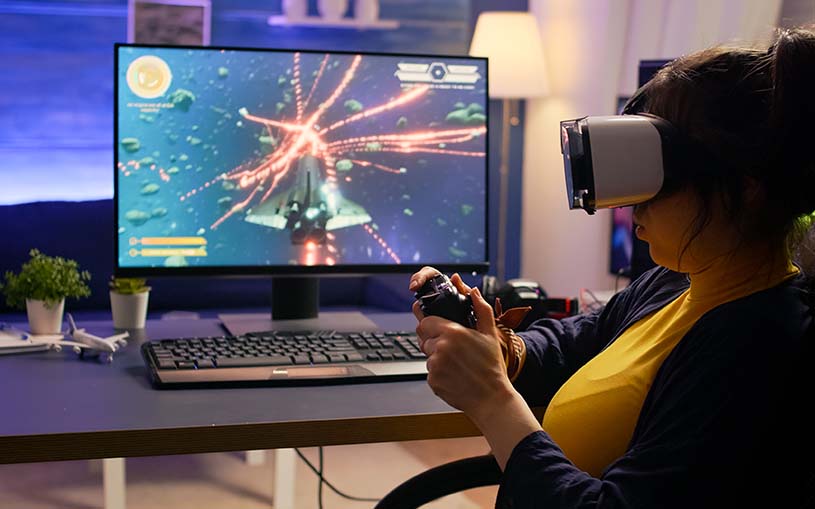
The gaming industry has experienced extraordinary growth over the past decade, shifting from traditional models to new, innovative technologies. One of the most groundbreaking changes is the emergence of decentralized gaming platforms. These platforms have the potential to change how players and developers interact, creating a fairer ecosystem that benefits everyone involved.
Decentralized gaming uses blockchain technology to distribute control and ownership. This change can empower players by giving them true ownership of in-game assets, while developers can enjoy lower costs and better community engagement. As we explore this topic further, we will look at the many aspects of decentralized gaming, including its advantages, challenges, and current examples.
Benefits of Decentralized Gaming Platforms
Decentralized gaming platforms offer a range of benefits that can improve the gaming experience.
- True Ownership: Players can genuinely own and trade their in-game assets, thanks to the blockchain technology that supports these platforms.
- Transparency: The decentralized nature of these platforms encourages transparency, allowing players to verify game mechanics and the value of assets.
- Community-Driven Development: Gamers can participate in the game’s development by providing feedback and suggestions for improvement.
- Elimination of Middlemen: Developers can connect directly with players, removing the traditional middlemen that often dominate the industry.
The opportunity for genuine ownership is particularly significant. In traditional gaming, players invest a great deal of time and money into games, but they rarely have any claim over their assets. With decentralized platforms, players can trade, sell, or even earn from their assets in secondary markets.
Challenges Facing Decentralized Gaming
Despite the numerous benefits, decentralized gaming also encounters several challenges that need to be addressed for the model to thrive.
- Scalability: Many blockchain networks currently face issues with scalability and transaction speed, which can disrupt gameplay.
- Regulatory Issues: The legal landscape surrounding cryptocurrencies and blockchain technology is still evolving and can impact decentralized gaming.
- Adoption Rate: Gamers are used to traditional models, and transitioning to decentralized platforms may prove difficult.
Furthermore, the high volatility of cryptocurrencies can deter players from fully engaging with decentralized gaming. Developers must strive to create more stability and reliability in their platforms to build user trust and confidence.
Examples of Successful Decentralized Gaming Platforms
Several successful projects illustrate the potential of decentralized gaming platforms:
- Axie Infinity: A popular game that allows players to earn cryptocurrency while playing, promoting a play-to-earn model.
- Decentraland: A virtual reality platform powered by the Ethereum blockchain, where users can buy, develop, and sell virtual land.
- Gods Unchained: A trading card game that grants players genuine ownership of their cards, enabling them to buy, sell, or swap cards freely.
Each of these platforms showcases the viability of decentralized gaming, attracting both players and investors.
Future Trends in Decentralized Gaming
As the sector continues to evolve, we can anticipate several trends that will shape the future of decentralized gaming:
- Interoperability: Creating assets that can be used across multiple games and platforms will likely increase player engagement.
- Integration of NFTs: Non-fungible tokens (NFTs) will remain a crucial element of gaming, offering unique ownership and trading experiences.
- Increased Regulation: As decentralized gaming gains traction, more regulatory frameworks may emerge, impacting how games operate.
These trends suggest that while the future of decentralized gaming is promising, it comes with its own set of complexities.
Conclusion
In summary, decentralized gaming platforms are reshaping the gaming industry’s landscape. They offer true ownership, transparency, and a community-driven approach that resonates with players looking for a more genuine experience. However, challenges—such as scalability and regulatory issues—must be addressed to ensure long-term success.
The rise of decentralized gaming signifies a major change in how we view and interact with games. As technology advances, we can look forward to a gaming ecosystem that truly values players and empowers them like never before. The journey has only just begun, and the possibilities are endless.


