
The Rise of Autonomous AI Agents Transforming Work and Daily Life
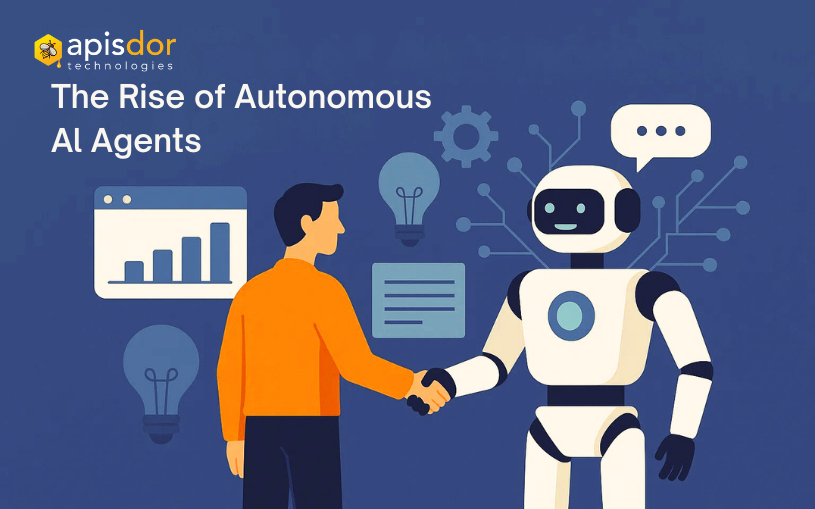
The world is witnessing a remarkable transformation with the advent of autonomous AI agents, revolutionizing both our work and daily lives. These intelligent systems are not only enhancing workplace efficiency but also reshaping the way we approach everyday tasks. As we delve into this topic, it’s essential to understand the profound implications these agents have on productivity, decision-making, and personal organization. This article will explore key aspects, including the functionality of these AI agents, their applications across various sectors, and the potential challenges they present.
Understanding Autonomous AI Agents
Autonomous AI agents are systems capable of performing tasks with minimal human intervention. Powered by advanced algorithms and machine learning, these agents learn from their environment and adapt their actions accordingly. According to a report by the
McKinsey Global Institute
AI could enhance global productivity by up to 1.2% annually, showcasing the potential impact of these technologies on economies worldwide. AI agents come in various forms, from chatbots aiding customer support to complex systems managing logistics and supply chains.
Applications in the Workplace
In the workplace, autonomous AI agents revolutionize operational processes. Companies are increasingly using these agents for repetitive tasks, allowing human workers to focus on more strategic roles. For instance, AI-driven analytics tools enable businesses to process vast amounts of data quickly, leading to informed decision-making. As per
Harvard Business Review
firms implementing AI in their workflows reported a 30% increase in efficiency. Additionally, AI agents assist in human resources, enhancing employee experience through personalized recommendations and automation of administrative duties.
Impact on Daily Life
Beyond the workplace, autonomous AI agents are significantly impacting our daily lives. Smart home devices, like virtual assistants, manage our schedules, control home environments, and facilitate communication. A study by
Pew Research Center
revealed that 77% of Americans use a form of AI technology daily. This ubiquitous presence has transformed how we interact with technology, making our lives more convenient and connected. Furthermore, applications in healthcare streamline patient care, as AI systems assist in diagnosis and treatment recommendations.
Challenges Ahead
Despite the numerous benefits, the rise of autonomous AI agents presents several challenges. Concerns over job displacement due to automation and ethical implications surrounding decision-making processes are at the forefront of this discussion. Policymakers and organizations must address these issues proactively, ensuring a balance between technological advancement and societal needs. A study from the
World Economic Forum
warns that 85 million jobs could be displaced by AI by 2025, prompting the need for reskilling the workforce.
Future Trends in Autonomous AI
The future of autonomous AI agents shows promise with rapid advancements in technology. Emerging trends point towards enhanced collaboration between humans and AI. For instance, augmented reality tools may integrate AI to improve user experience in various fields, from education to entertainment. Keeping abreast of these developments is crucial for individuals and businesses alike, ensuring they harness these technologies effectively.
Final Thoughts
As we embrace the rise of autonomous AI agents, it is essential to reflect on their potential to enhance our lives and work. While challenges persist, the transformative possibilities are profound. Understanding and adapting to these changes will be key to leveraging AI’s benefits while mitigating risks. As we navigate this landscape, we can pave the way for a future where humans and AI collaborate seamlessly, driving innovation and resilience.
FAQs
- Q1: What are autonomous AI agents?
A: Autonomous AI agents are intelligent systems that perform tasks with minimal human intervention, using advanced algorithms and machine learning. - Q2: How do AI agents impact the workplace?
A: AI agents enhance operational efficiency by automating repetitive tasks, allowing employees to focus on strategic roles and improving decision-making. - Q3: What challenges do autonomous AI agents present?
A: Challenges include job displacement concerns, ethical dilemmas, and the need for regulatory frameworks to balance technological advances with societal needs. - Q4: What are the future trends of AI agents?
A: Future trends indicate enhanced collaboration between humans and AI, with advancements in augmented reality and other technologies promising transformative changes. - Q5: How can we prepare for the rise of AI?
A: To prepare for AI’s rise, individuals and organizations should focus on reskilling, staying informed about technological advancements, and adapting business strategies accordingly.


