
Discover How Digital Humans Are Transforming Customer Experience
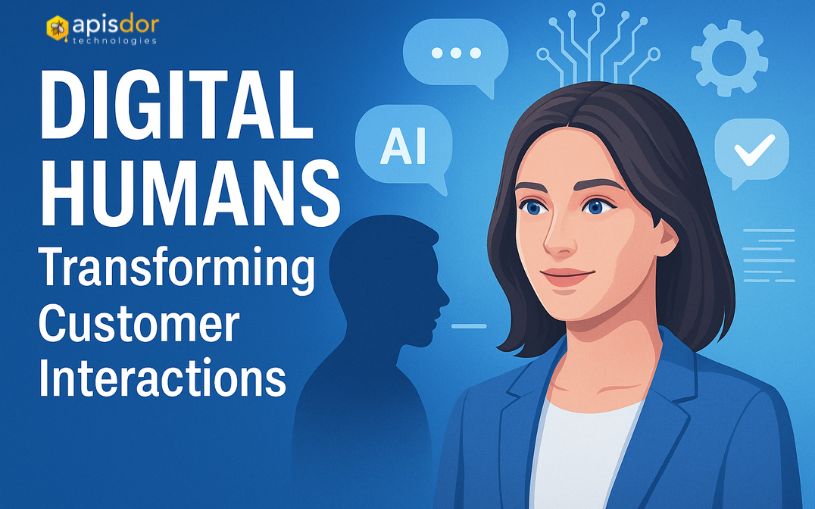
In the rapidly changing landscape of technology, digital humans—powered by artificial intelligence—are transforming the way businesses interact with their customers. Think of these advanced AI-driven avatars as virtual assistants that can understand your questions, suggest personalized solutions, and create interactions so lifelike that they almost feel human. As companies aim to enhance customer experiences on a grand scale, recognizing the importance of digital humans becomes crucial.
Why is this important?
Authentic connections with customers can make a huge difference in a brand’s reputation in today’s fierce market. By using digital humans, businesses can offer immediate assistance, boosting both customer satisfaction and loyalty. This article delves into the inner workings of digital humans, their benefits, challenges, and what the future holds for AI in customer support.
Understanding Digital Humans
Digital humans are AI representations that mimic human interactions, often designed to improve user experiences on various platforms. These avatars can look and sound like real people; they respond with empathy and understanding, much like a friend would.
“According to a report by Gartner Research, by 2026, up to 70% of customer interactions will involve emerging technologies, including digital humans.”
The Science Behind Digital Humans
The technology that powers digital humans includes natural language processing (NLP) and machine learning algorithms. These frameworks analyze what customers say or type, grasp the context, and generate fitting replies. Companies like IBM have harnessed Watson’s abilities to create AI models that continually learn from past interactions, refining their responses as they go.
Benefits of Digital Humans
Digital humans offer many advantages for organizations aiming for efficiency and customer satisfaction. First, they are available 24/7, which means customer inquiries can be addressed at any time. This constant support can greatly improve client retention rates.
Furthermore, they can handle a vast number of interactions at the same time—something human agents simply cannot do. A study from McKinsey & Company found that using digital humans could reduce customer service costs by as much as 30%. This can lead to significant savings.
Personalization at Scale
Another major benefit is their ability to provide personalized experiences. Digital humans can analyze customer data and previous interactions to tailor their responses. This custom approach builds a stronger bond between the brand and its audience.
Challenges and Limitations
Despite their many advantages, there are challenges to employing digital humans. One primary concern is the possibility of misunderstandings. Although AI has advanced greatly, it isn’t perfect, and misinterpretations can cause frustration if interactions don’t meet expectations.
Ethical concerns also arise regarding transparency in AI-driven communications. As highlighted by the Harvard Business Review, companies need to disclose the use of digital humans to maintain trust with their customers.
Addressing the Limitations
To overcome these challenges, brands might create fallback options that allow customers to connect with human agents when necessary. Moreover, effective training of digital humans can help reduce misunderstandings and enhance the quality of service.
The Future of Customer Interactions
Looking forward, the role of digital humans in customer service is anticipated to grow. Their integration with advanced technologies like voice recognition and sentiment analysis opens exciting opportunities for even more engaging interactions.
Additionally, as consumers become more familiar with AI interactions, acceptance of digital humans is likely to rise. According to Gartner, by 2026, digital humans may become the preferred choice for customer service in many sectors.
Preparing for Change
To effectively navigate these developments, businesses should invest in training their staff to collaborate with digital humans, ensuring a smooth integration that emphasizes customer satisfaction.
Conclusion: Embracing the Digital Future
Digital humans represent a groundbreaking shift in customer experience. Their capability to provide timely and personalized support can enhance engagement and satisfaction. However, it’s essential to integrate them thoughtfully, addressing ethical and operational hurdles along the way.
Although embracing this technology may present challenges, the potential for improving customer interactions makes it a critical step for businesses aiming to thrive in today’s digital world. As we move ahead, understanding and enhancing the abilities of digital humans will be crucial in shaping the future of customer experience.
FAQs
Q1: What are digital humans?
A: Digital humans are AI-driven avatars that simulate real human interactions, providing customer support and enhancing user experience.
Q2: How do digital humans improve customer service?
A: They enhance customer service by providing 24/7 availability, handling numerous interactions simultaneously, and offering personalized responses based on customer data.
Q3: What are the challenges of implementing digital humans?
A: Some challenges include misunderstanding customer queries and ethical concerns about transparency in AI interactions.
Q4: What is the future of digital humans in customer service?
A: The future looks bright, with an expected increase in acceptance and advanced integration with technologies like voice recognition and sentiment analysis.
Q5: How should companies prepare for digital humans?
A: Companies should train their teams to work alongside digital humans and address potential challenges to ensure a seamless customer experience.


