
Empowering Enterprises with Advanced Voice AI Solutions
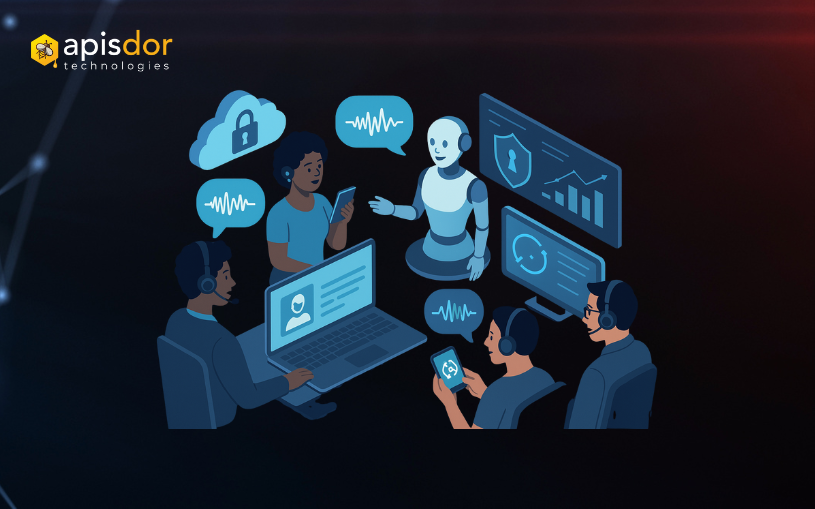
In an increasingly digital world, the need for effective communication tools is paramount. Voice AI agents stand at the forefront of this revolution, offering enterprises a way to enhance customer service, streamline operations, and improve overall efficiency. With advancements in natural language understanding and machine learning, these AI solutions are becoming more sophisticated, making them essential for modern businesses.
This blog post will explore the journey of moving beyond basic chatbots to develop production-grade voice AI agents tailored for enterprise needs. We will discuss the importance of voice AI, key challenges faced during development, and best practices for implementation that can set organizations apart.
Understanding Voice AI in the Enterprise
Voice AI technology encompasses various applications, from customer service to personal assistants. By utilizing voice recognition and speech processing technologies, businesses can create systems that understand and respond to user inquiries naturally.
The significance of implementing voice AI in enterprises includes improved accessibility, enhanced user experience, and potential cost reductions. According to a report by the
Gartner Group, 80% of customer interactions will involve AI by 2029.
This statistic highlights the trend towards automated systems in addressing customer needs.
Challenges in Developing Voice AI Agents
Creating effective voice AI agents poses multiple challenges. One of the primary obstacles is ensuring accurate speech recognition. Dialects and accents can complicate understanding, leading to user frustration. Additionally, comprehending context is crucial for a positive user experience.
Organizations must also consider data privacy and security. As voice interfaces collect sensitive data, protecting this information becomes a priority. A
survey by PwC found that 85% of consumers won’t engage with a business if they have privacy concerns.
This emphasizes the need for robust security measures.
Overcoming Development Hurdles
To tackle these challenges, businesses should invest in comprehensive training data that includes varied accents and dialects. Continuous learning systems can be implemented to allow voice AI to adapt over time.
Additionally, transparency about data usage and privacy policies can enhance trust and user acceptance. Engaging with users to gather feedback and refine the voice AI experience is crucial.
Best Practices for Implementation
Successful implementation of voice AI requires a strategic approach. Begin by identifying key use cases where voice AI can add value. Customer service inquiries, appointment scheduling, and basic FAQs are excellent starting points.
Furthermore, integrating voice AI with existing systems can provide a seamless experience. For instance, connecting to customer relationship management (CRM) systems allows the AI to access relevant information, improving response accuracy.
Testing and Iteration
Regular testing is vital. Create pilot programs to gather data and insights on performance before a full-scale rollout. A/B testing can help determine the most effective responses and user interfaces. Continuous iteration based on user feedback will enhance the overall experience.
The Future of Voice AI in Business
The trajectory of voice AI suggests significant advancements in capabilities, paving the way for more intuitive and human-like interactions. As technology evolves, expect to see prevalent use of contextual understanding and emotion recognition.
Investing in voice AI now can prepare businesses for the future. With a strong AI strategy, organizations can enhance engagement and create loyal customer bases.
Conclusion: The Path Ahead
As businesses consider their digital transformation strategies, voice AI emerges as a powerful tool. By overcoming development challenges and adhering to best practices, enterprises can successfully integrate voice AI into their operations. This not only boosts efficiency but also ensures superior customer satisfaction.
The implications of adopting voice AI technology are profound. In a landscape where consumer expectations are rising, those who harness the power of voice AI will likely stand out as industry leaders. As organizations facilitate enhanced communication through voice technology, the future looks promising and full of potential.
FAQs
Q1: What is voice AI?
A: Voice AI refers to systems that can understand and respond to voice commands, enhancing interaction between humans and machines. It’s commonly used in customer service and personal assistants.
Q2: How does voice AI work?
A: Voice AI works by converting spoken language into text, then processing that text using natural language understanding to generate appropriate responses.
Q3: Why should businesses invest in voice AI?
A: Investing in voice AI can improve customer interactions, streamline processes, and reduce operational costs while meeting growing consumer expectations.
Q4: What challenges do companies face with voice AI?
A: Companies encounter challenges such as speech recognition accuracy, context understanding, and data security concerns when implementing voice AI solutions.
Q5: How can businesses ensure data privacy with voice AI?
A: Businesses must adopt transparent privacy policies, utilize secure data handling practices, and engage with users to build trust regarding their information.


