
Unleashing Innovation: The Key Technologies Transforming Digital Transformation in 2026
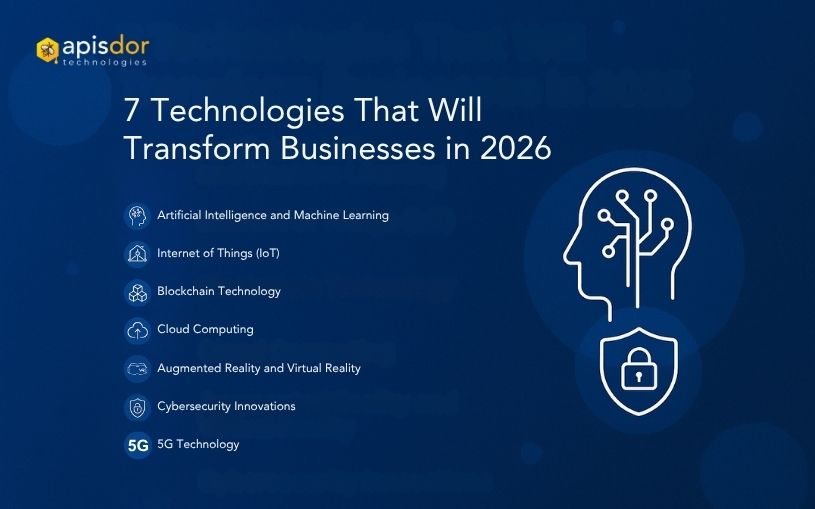
As we approach 2026, the realm of digital transformation is changing as swiftly as the wind. Companies around the globe are preparing to welcome new technologies that promise to transform their operations, boost customer interactions, and enhance overall efficiency. The significance of these technologies is profound; they are the keys that will unlock the door to staying competitive in an increasingly digital landscape. In this discussion, we’ll uncover the seven pivotal technologies that are set to revolutionize businesses in 2026 and beyond.
This discussion will cover:
- Artificial Intelligence and Machine Learning
- Internet of Things (IoT)
- Blockchain Technology
- Cloud Computing
- Augmented Reality and Virtual Reality
- 5G Technology
- Cybersecurity Innovations
By grasping these technologies, organizations can not only boost their operational capabilities but also carve out new paths for growth and innovation.
Artificial Intelligence and Machine Learning
Artificial Intelligence (AI) and Machine Learning (ML) are driving the digital transformation. These technologies enable organizations to rapidly analyze vast amounts of data, revealing insights that were previously inaccessible. For instance, businesses can forecast trends, personalize customer interactions, and streamline processes. According to a recent study by McKinsey, firms that weave AI into their operations experience a 20-30% increase in efficiency.
AI is not merely a trend; it represents a seismic shift in how we conduct business. By automating mundane tasks, employees can redirect their focus towards more strategic initiatives, nurturing innovation.
The Future of AI
As AI continues to mature, we anticipate more advanced applications in fields such as healthcare, finance, and retail. Yet, with these advancements comes the duty to tackle ethical issues related to data privacy and algorithmic bias.
Internet of Things (IoT)
The Internet of Things (IoT) connects everyday devices to the internet, empowering them to gather and share data. This intricate web supports smarter decision-making processes. According to Statista, the IoT market is projected to reach a staggering $1.6 trillion by 2026.
Businesses are already seizing IoT opportunities by deploying smart sensors and devices throughout their operations. This approach provides them with real-time analytics and insights, enabling them to enhance efficiency and cut costs.
Challenges of IoT
However, IoT comes with its own set of challenges. Security concerns loom large, as connected devices can be susceptible to breaches. It is imperative for companies to implement robust cybersecurity measures.
Blockchain Technology
Blockchain technology, best known for its ties to cryptocurrency, is beginning to transform industries like supply chain management and healthcare. It offers a secure and transparent way to record transactions.
Research by Deloitte indicates that 40% of organizations are contemplating the use of blockchain in their operations. This technology reduces fraud and fosters trust among stakeholders.
Future Developments
As blockchain technology evolves, we foresee broader adoption across various sectors, with a keen focus on enhancing transparency and traceability.
Cloud Computing
Cloud computing delivers scalable resources over the internet, facilitating remote collaboration and easy data access. Organizations are transitioning to cloud-based systems to trim costs and heighten agility.
A report from Gartner suggests that by 2026, a remarkable 85% of organizations will adopt a cloud-first approach, showcasing the trend towards decentralized work environments.
Benefits of Cloud Adoption
Cloud computing not only enhances productivity but also bolsters security, as providers often implement top-tier security measures that are challenging to replicate in traditional setups.
Augmented Reality and Virtual Reality
Augmented Reality (AR) and Virtual Reality (VR) are redefining customer experiences. These immersive technologies captivate users like never before, facilitating virtual try-ons in retail and remote training in industrial settings.
The AR and VR market is set to soar to $209 billion by 2026, demonstrating its capacity to transform how businesses engage with their customers.
Challenges Ahead
Despite the excitement surrounding these technologies, hurdles such as cost and scalability stand in the way of widespread adoption.
5G Technology
5G technology promises to revolutionize connectivity. With lightning-fast speeds and minimal latency, it empowers real-time data processing and accommodates a multitude of devices.
The rollout of 5G is anticipated to drive economic growth and innovation across various sectors. Companies can dramatically enhance services ranging from live streaming and gaming to remote work setups.
5G and Business Transformation
As organizations shift towards 5G-enabled services, they will also need to rethink their strategies and operations to fully harness this technology’s potential.
Cybersecurity Innovations
As digital transformation accelerates, the importance of cybersecurity cannot be understated. Innovations such as AI in cybersecurity can assist organizations in rapidly detecting threats.
The global cybersecurity market is anticipated to reach $345 billion by 2026, underscoring the urgent need for robust security measures.
Building a Secure Digital Future
Organizations must prioritize cybersecurity to safeguard their data and foster customer trust. Collaboration between IT teams and business units is crucial in building a secure digital environment.
Conclusion
In summary, the technologies influencing digital transformation in 2026 will have a profound impact on business operations. Embracing AI, IoT, blockchain, cloud computing, AR/VR, 5G, and cybersecurity innovations will enhance efficiency and open new avenues for growth.
Organizations must remain nimble and responsive as these technologies evolve. By investing in the right tools and strategies, companies can prepare themselves for triumph in a digital-first world.
As we gaze into the future, the integration of these technologies will undoubtedly reshape the business landscape, making it essential for companies to stay informed and proactive.
FAQs
Q1: What is digital transformation?
A: Digital transformation signifies the integration of digital technology across all aspects of a business, fundamentally altering its operations and how it delivers value to customers.
Q2: Why is AI important for businesses?
A: AI aids businesses in analyzing data, predicting outcomes, and automating processes, culminating in heightened efficiency and improved customer interactions.
Q3: How does IoT improve operations?
A: IoT links devices and systems, offering real-time data and insights that help businesses optimize processes and cut costs.
Q4: What are the potential risks of new technologies?
A: Risks include concerns over data privacy, security vulnerabilities, and the possibility of job displacement due to automation.
Q5: How can companies prepare for 2026?
A: Companies should invest in technology training, bolster cybersecurity, and adopt scalable solutions to adapt to technological transformations and competitive demands.


