
Unlocking the Power of AI Automation for Business Success
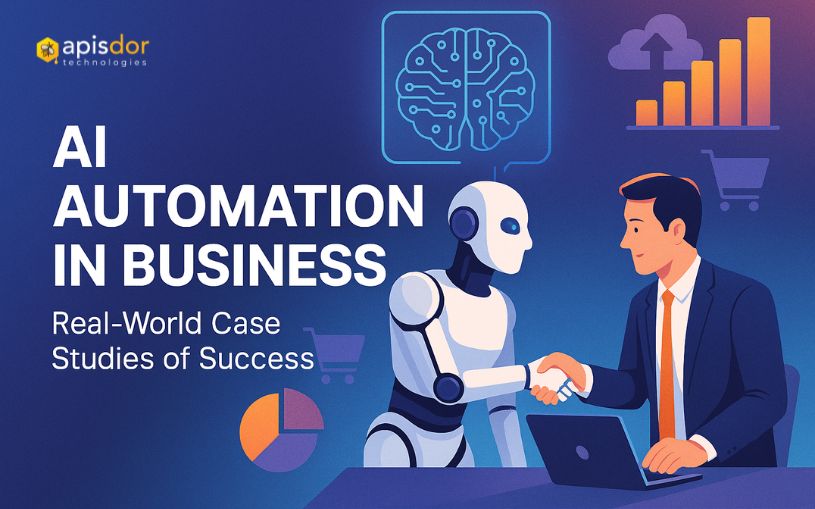
In the rapidly evolving world of technology, businesses are continually seeking new ways to operate more efficiently, reduce costs, and stay competitive. AI automation has become a powerful force, enabling companies to automate routine tasks and leverage data for informed decision-making. The impact of AI automation is huge; it can change operations in many different fields, enabling organizations to spend more time on strategic ventures and creative problem-solving.
This blog post will look at the inspiring stories of real companies that have successfully integrated AI automation into their operations. We will explore a number of case studies that show how these businesses have embraced AI and flourished by utilizing its strengths. Key points include strategies for successful implementation, overcoming initial challenges, and evaluating success through measurable results.
The Beginning of AI Automation
AI automation is not just a passing trend; it’s a must for businesses that want to stay ahead of the game. The first steps toward automation involve examining current workflows and identifying areas where AI can enhance efficiency.
“Integrating AI involves understanding how these technologies fit within existing frameworks and adapting processes accordingly.”
As noted by industry leaders, the key to successful AI adoption is focusing on the most time-consuming tasks that can be automated with little disruption.
Case Study – Retail Revolution
A leading retail company embarked on an AI-driven transformation, targeting inventory management and customer service. By implementing AI systems that track stock levels in real-time and predict customer buying patterns, they reduced overstock and optimized supply chains.
“Our AI tools have enabled us to accurately forecast demand, reducing waste and increasing sales,”
said the Chief Operating Officer. This transformation not only streamlined operations but also greatly improved customer satisfaction through faster service.
Manufacturing Efficiency
In the manufacturing sector, a prominent player introduced AI automation to streamline production lines. By incorporating robotics powered by AI algorithms, they improved production efficiency and reduced downtime by 30%. As production systems became more adaptable, they could quickly respond to changing market demands.
“AI has allowed us to optimize every stage of manufacturing, turning obstacles into opportunities,”
stated the company’s CEO.
Financial Services Transformation
In the financial services sector, AI has become crucial for fraud detection and customer interaction. A leading bank used machine learning algorithms to analyze transaction data, flagging suspicious activities more effectively than traditional methods. This proactive approach not only saved the bank millions in losses but also built trust with customers who appreciated their enhanced security measures.
“AI is our key partner in safeguarding our assets while providing exceptional customer experience,”
explained the bank’s chief security officer.
Overcoming Challenges
While the advantages of AI automation are evident, many companies encounter challenges during implementation. A careful approach is essential, concentrating on training staff and ensuring a solid technology foundation is in place. Companies that prioritize transparent communication and provide adequate training are more likely to overcome resistance and successfully integrate AI into their culture.
“Successful AI integration is about fostering an innovative mindset among employees,”
shared an AI consultant.
Measuring Success
Understanding the ROI of AI automation is crucial for justifying investments. Companies should establish clear Key Performance Indicators (KPIs) to measure efficiency gains, cost reductions, and improvements in customer satisfaction. Data analytics can reveal insights that guide future AI initiatives.
“AI is an ongoing journey—measuring success is not just about the short-term gains, but long-term growth,”
advised an industry analyst.
Conclusion: Embracing the Future
As companies continue to explore AI automation, those who proactively adapt to these changes are poised for success. The journey from manual processes to AI-powered solutions is challenging; however, the potential for transformative change is immense. By learning from pioneers in the field, businesses can chart their path to excellence. Embracing AI is not just about adopting new technology—it’s about nurturing innovation, enhancing processes, and ultimately improving the customer experience.
FAQ’s
Q1: What is AI automation?
A: AI automation refers to the use of artificial intelligence technologies to automate tasks that were traditionally performed by humans. This includes data analysis, customer service, and operational tasks, improving efficiency and accuracy.
Q2: How can businesses implement AI automation?
A: Businesses should start by identifying repetitive tasks that can be automated. Collaborating with technology partners, investing in the proper tools, and training employees are essential steps in implementing AI solutions.
Q3: What industries benefit most from AI automation?
A: Various industries benefit, including retail, manufacturing, finance, and healthcare. Each sector can leverage AI to optimize operations, reduce costs, and enhance customer experience.
Q4: What are the common challenges faced during AI integration?
A: Challenges include resistance from employees, investment costs, and technical issues. Businesses need to approach integration carefully, providing adequate training and support to staff.
Q5: How is the success of AI automation measured?
A: Success is measured through key performance indicators (KPIs) such as cost savings, efficiency improvements, and customer satisfaction metrics. Analyzing data helps in refining AI strategies for better outcomes.


