
Exploring the Future of Low-Code App Development in 2025
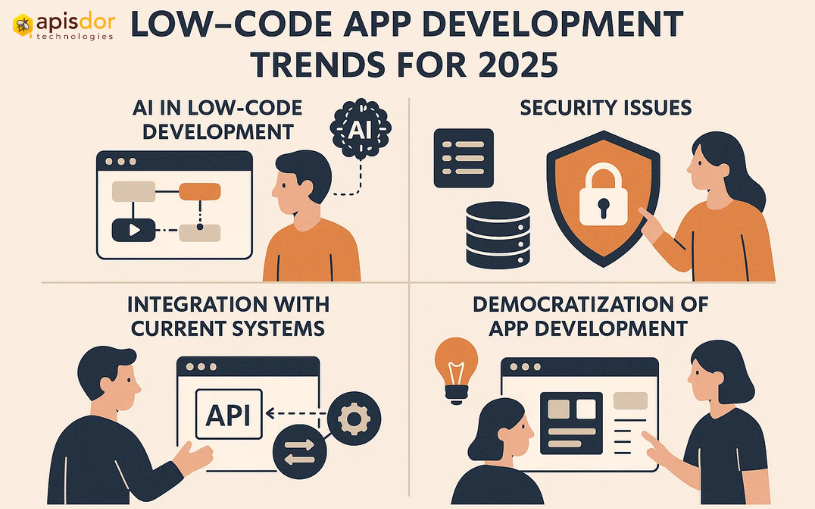
In the fast-changing world of digital technology, low-code development platforms are transforming how applications are created and managed. As we approach 2026, businesses need to adapt not just to new technologies but also to the strategic trends that will influence low-code development. What does this mean for developers, organizations, and end-users? With low-code tools that allow for quicker deployments and empower people without technical backgrounds, the consequences are far-reaching.
This article explores the significant trends that will shape low-code app development in the years ahead. Key areas include the interaction between AI and low-code, the increasing demand for security, the importance of integrating with existing systems, and the democratization of app development within organizations. By grasping these elements, stakeholders can prepare better and take advantage of these trends.
The Effect of AI on Low-Code Development
Artificial Intelligence (AI) is poised to significantly revolutionize low-code development. By incorporating AI, low-code platforms can offer smarter automation, enhanced user interfaces, and predictive analytics. A
report by Forrester states, “AI will automate up to 80% of coding tasks, allowing developers to focus more on strategic initiatives rather than mundane code writing.”
This change not only speeds up the development process but also improves the quality of the applications that are built.
Moreover, solutions driven by AI can deliver personalized experiences and adjust features based on user behavior, making applications more effective. Thus, organizations will increasingly consider platforms with AI capabilities.
Security Issues in Low-Code Platforms
As low-code platforms become more widespread, the security of these applications is of utmost importance. Businesses must prioritize data security to prevent breaches and comply with regulations. Research from
Gartner indicates that “by 2026, 70% of low-code applications will be subject to stringent security assessments.”
This trend highlights the need for thorough security measures within low-code frameworks.
Developers will need to adopt security best practices, from secure coding techniques to regular audits, ensuring that user data remains safe. This change indicates that organizations must not only invest in tools but also in training their staff to recognize security vulnerabilities and reduce risks effectively.
Integration with Current Systems
For numerous organizations, smooth integration with existing IT infrastructure is crucial. As low-code platforms evolve, they must offer APIs and connectors to enable compatibility with older systems. According to a study from
McKinsey, “successful integrations will become a major differentiator for low-code tools by 2026, allowing organizations to leverage their existing investments while adopting new technologies.”
This will facilitate the adoption of low-code development without the need to completely overhaul their technology stack.
Developers must understand both the abilities and limitations of integrating low-code applications with current systems. As a result, teamwork with IT departments will be necessary to harmonize low-code applications within the wider ecosystem.
The Democratization of App Development
Low-code platforms are democratizing app creation by allowing non-technical users—or “citizen developers”—to build applications themselves. Gartner anticipates that
“by 2026, 80% of technology products will be built by users outside of IT.”
This shift enables employees from various departments to innovate and meet their specific needs, expediting the time it takes to launch applications.
However, organizations must set up proper governance and support frameworks to ensure that citizen-developed applications align with business objectives and comply with regulations. The future of app development is not just about technology; it’s about cultural changes within organizations that embrace these new capabilities.
Upskilling and Reskilling in Technology Roles
As low-code technology becomes the norm, the skills needed will evolve. Developers will require training in low-code platforms, AI basics, and security practices. A
report from LinkedIn emphasizes that “40% of tech professionals will need to upskill to stay relevant in the tech job market by 2026.”
This highlights the necessity of ongoing learning and adaptability.
For organizations, investing in workforce training is essential to maximize the benefits of low-code development. By nurturing a culture of learning, businesses can not only keep pace with technological improvements but also retain talent in an ever-changing job market.
Conclusion: Getting Ready for the Future
The trends shaping low-code app development as we approach 2026 bring both exceptional opportunities and challenges for organizations and developers alike. By embracing AI, enhancing security, ensuring integration, democratizing development, and focusing on continuous learning, businesses can strategically position themselves for success.
As we reshape our understanding of app development, it is vital to remain proactive in identifying emerging trends and adapting strategies as necessary. The future is not merely about technology; it involves harnessing the creative capabilities of all employees, thereby fostering innovation and efficiency on a larger scale.
FAQs
Q1: What is low-code app development?
A: Low-code app development refers to a visual approach to writing software that allows users to build applications with minimal hand-coding. It streamlines the development process, enabling faster app creation and easier collaboration.
Q2: How does AI enhance low-code platforms?
A: AI enhances low-code platforms by automating coding tasks, providing predictive analytics, and personalizing user experiences. This integration helps speed up development and improve the functionality of applications.
Q3: Why is security important in low-code development?
A: Security is crucial in low-code development to protect sensitive data and ensure compliance with regulations. With the rise of low-code applications, organizations must implement security best practices to prevent data breaches.
Q4: What is a citizen developer?
A: A citizen developer is a non-technical user who creates applications using low-code or no-code platforms. This approach democratizes app development, allowing more users to innovate and solve specific business problems.
Q5: How can organizations prepare for low-code trends?
A: Organizations can prepare by investing in training programs, promoting a culture of continuous learning, and establishing clear governance frameworks to support citizen development while ensuring alignment with business strategies.


