
Discover the Top Hardware-Software Integration Trends for 2025
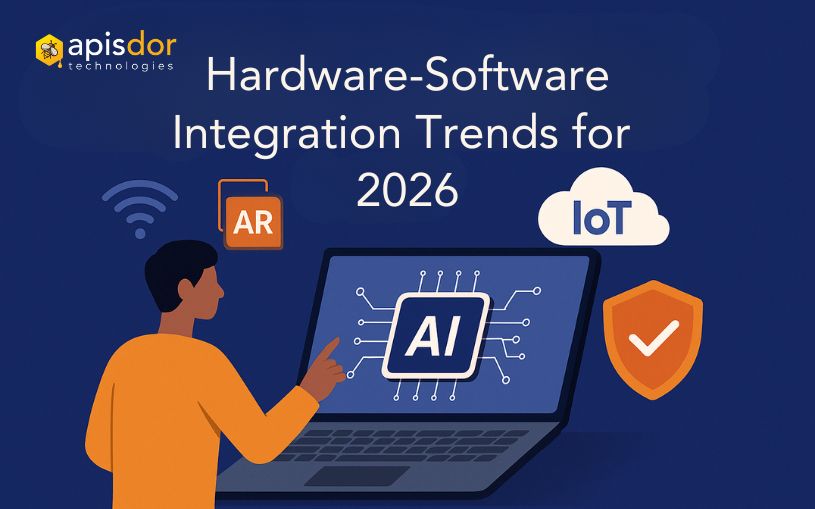
As we approach 2026, the landscape of hardware and software integration is evolving at an unprecedented pace. The convergence of technologies is not only reshaping industries but also redefining our day-to-day experiences. This blog post aims to illuminate key trends that will dominate hardware-software integration in the coming year, making it essential for businesses, developers, and tech enthusiasts alike to stay informed.
Understanding these trends is crucial as the integration of hardware and software can lead to improved efficiency, enhanced user experiences, and innovative solutions that tackle complex challenges. In this article, we will explore the rise of Artificial Intelligence (AI), the Internet of Things (IoT), and augmented reality (AR), among other emerging technologies. Join us as we delve into the trends that are leading us into a smarter, more connected future.
The Rise of Artificial Intelligence in Integration
Artificial Intelligence is taking center stage in hardware-software integration, transforming how machines and systems interact. AI allows devices to learn from data, make decisions, and optimize processes without human intervention. From smart home devices to manufacturing robots, AI is streamlining operations and providing personalized user experiences.
According to a report by Gartner, 80% of new enterprise applications will have embedded AI components by 2026.
This integration helps businesses automate mundane tasks and enhance decision-making processes, ultimately boosting productivity. For instance, in the manufacturing sector, AI-driven machines can predict failures and schedule maintenance, reducing downtime and costs.
Moreover, AI’s capabilities are being leveraged in various sectors, including healthcare, where it assists in diagnosing diseases more accurately by analyzing patient data. As AI continues to integrate deeply into hardware, we can expect more innovation in the coming years. This trend signifies a shift towards smarter, adaptive systems.
Internet of Things and Smart Devices
The Internet of Things (IoT) has proven to be a game-changer in the realm of hardware-software integration. IoT connects everyday devices to the internet, enabling them to send and receive data, thereby enhancing their functionality.
According to Statista, there will be over 30 billion connected devices by 2026.
This massive growth showcases the potential of IoT in transforming various industries, including agriculture, healthcare, and smart cities.
Connected smart devices, from wearables to home appliances, collect valuable data, which can be used to improve performance and user experience. For example, smart thermostats learn user preferences to optimize heating and cooling, leading to energy savings. The key challenge remains ensuring cybersecurity to protect users against potential breaches.
As the IoT ecosystem expands, the interoperability between devices becomes essential. Companies must work towards standardized protocols that allow seamless communication among various hardware and software platforms.
Augmented Reality: Bridging the Digital-Physical Divide
Augmented Reality (AR) is another trend that is gaining momentum in the integration space. By overlaying digital information onto the physical world, AR creates interactive experiences that can enhance learning, training, and even entertainment. In industries like retail, AR allows customers to visualize products in their environment before purchasing.
A study by PWC found that 72% of users prefer augmented reality over traditional methods.
This preference points towards the efficacy of AR in improving customer engagement. As smartphones become more powerful, AR applications will become more embedded, leading to innovative interactions between users and their environments.
Businesses are increasingly investing in AR technology to train employees and improve operational efficiency. As the technology matures, we can anticipate further breakthroughs that harness AR’s immersive capabilities in fields like education and remote assistance.
5G and Edge Computing: Enhancing Connectivity
The rollout of 5G networks is set to revolutionize hardware-software integration by facilitating faster data transmission and improved connectivity. With 5G, devices can communicate with minimal latency, enhancing the performance of applications reliant on real-time data.
Moreover, the integration of Edge Computing with 5G helps process data closer to the source, thus reducing the load on centralized data centers. This shift is crucial for applications that require instant reaction times, such as autonomous vehicles and real-time video processing. Together, these technologies will enhance the capability of integrated systems, allowing for smarter and more responsive environments.
Sustainability Through Smart Technologies
As awareness about environmental issues rises, sustainable practices are becoming integral to hardware and software integration. Innovations in smart technologies, including energy-efficient devices and green computing solutions, are contributing to reduced carbon footprints and responsible consumption of resources.
Companies are focusing on making products that not only perform well but also meet sustainability standards. This trend includes producing recyclable materials and minimizing energy consumption during product use.
According to the World Economic Forum, energy efficiency measures could reduce global greenhouse gas emissions by up to 70% by 2026.
Thus, integrating sustainability into technology creates a win-win scenario for both users and the environment.
The Future of API-Driven Integrations
API (Application Programming Interface) integrations are becoming essential for hardware-software interoperability. As systems grow more complex, the role of APIs in enabling communication between different platforms cannot be overstated. APIs facilitate the connection of devices and applications, allowing them to share data seamlessly.
With the increasing reliance on cloud services, companies are adopting API-driven integration strategies to ensure flexibility and scalability. As businesses move towards microservices architecture, APIs provide the backbone for integrating various functionalities.
By 2026, it is expected that over 50% of all cloud services will be integrated via APIs.
This trend emphasizes the necessity of agile and responsive integration solutions.
Conclusion: Embrace the Transformation
The trends shaping hardware-software integration in 2026 underline a transformative era in technology. As AI, IoT, AR, 5G, sustainability, and APIs continue to evolve, they will redefine how we interact with and leverage technology in our lives and businesses.
Staying informed about these developments is crucial for organizations looking to remain competitive. The integration of smart technologies not only enhances efficiency but also fosters innovation, ensuring that businesses thrive in the digital age. By embracing these trends, we will not only prepare for the future but also contribute towards building a more sustainable and interconnected world.
Frequently Asked Questions
Here are some common questions about hardware-software integration trends for 2026:
- Q1: What is hardware-software integration?
A: Hardware-software integration refers to the seamless interaction between physical devices (hardware) and applications or programs (software), enabling them to work together to perform tasks efficiently. - Q2: Why is AI important for integration?
A: AI enhances hardware-software integration by improving decision-making, automating processes, and providing personalized experiences, leading to increased efficiency and productivity. - Q3: How does IoT play a role in integration trends?
A: IoT connects everyday devices to the internet, permitting data exchange and communication, which enhances functionality and user experiences across different sectors. - Q4: What are the benefits of augmented reality in integration?
A: Augmented Reality enhances customer engagement by providing interactive experiences, making it easier for users to visualize products and learn in immersive environments. - Q5: How does sustainability relate to technology trends?
A: Sustainable technology trends focus on creating energy-efficient and environmentally friendly solutions, minimizing resource use, and reducing carbon footprints, benefiting both consumers and the planet.


